Understanding Commercial Property Maintenance Frequency
Property managers frequently ask about optimal maintenance scheduling. The answer varies based on multiple considerations, but experience reveals clear patterns.
Commercial spaces require different attention levels across various timeframes:
- Daily operations involve debris removal, entrance cleaning, and basic safety monitoring. These simple actions stop minor issues from becoming major headaches while preserving professional standards.
- Weekly services encompass grass cutting, plant bed care, and general property upkeep. High-traffic locations often require twice-weekly visits during periods of active growth.
- Monthly programs feature plant nutrition, detailed pruning, and comprehensive property assessments. This schedule identifies emerging problems before they require costly emergency repairs.
- Quarterly maintenance occurs seasonally and includes major cleanups, system evaluations, and weather preparation activities.
Consistency proves more valuable than intensity. Properties receiving weekly attention consistently outperform those getting monthly comprehensive service. Consider it similar to exercise – regular activity maintains better results than occasional intensive sessions.
Most commercial properties benefit from weekly attention during active months (April through October) and bi-weekly service during slower periods. Premium locations, such as medical facilities or retail centers, typically require twice-weekly maintenance.
Commercial Grounds Maintenance Components
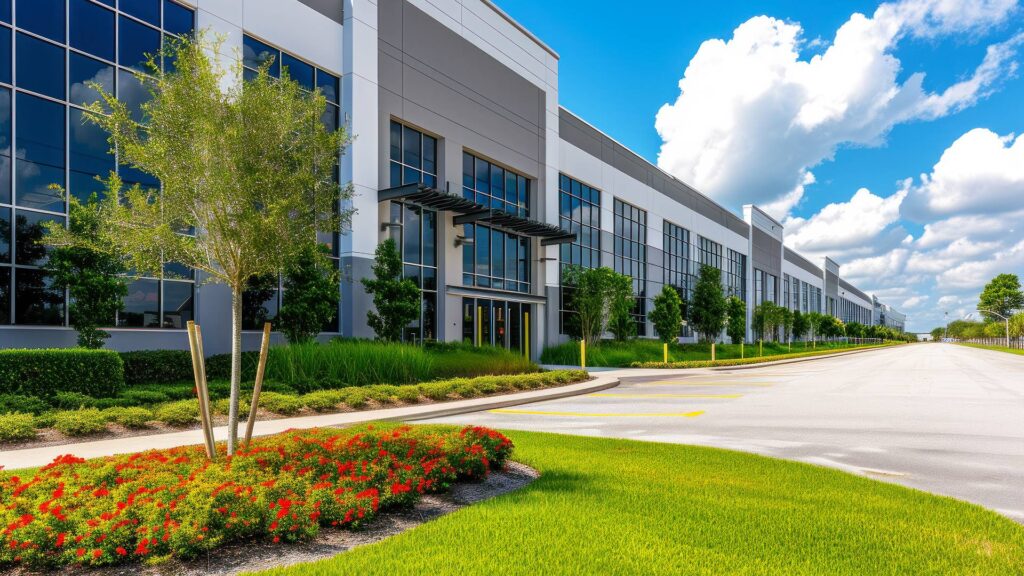
Professional grounds maintenance addresses every element visitors encounter when approaching your facility. A qualified landscaping contractor manages multiple aspects to maintain year-round appeal.
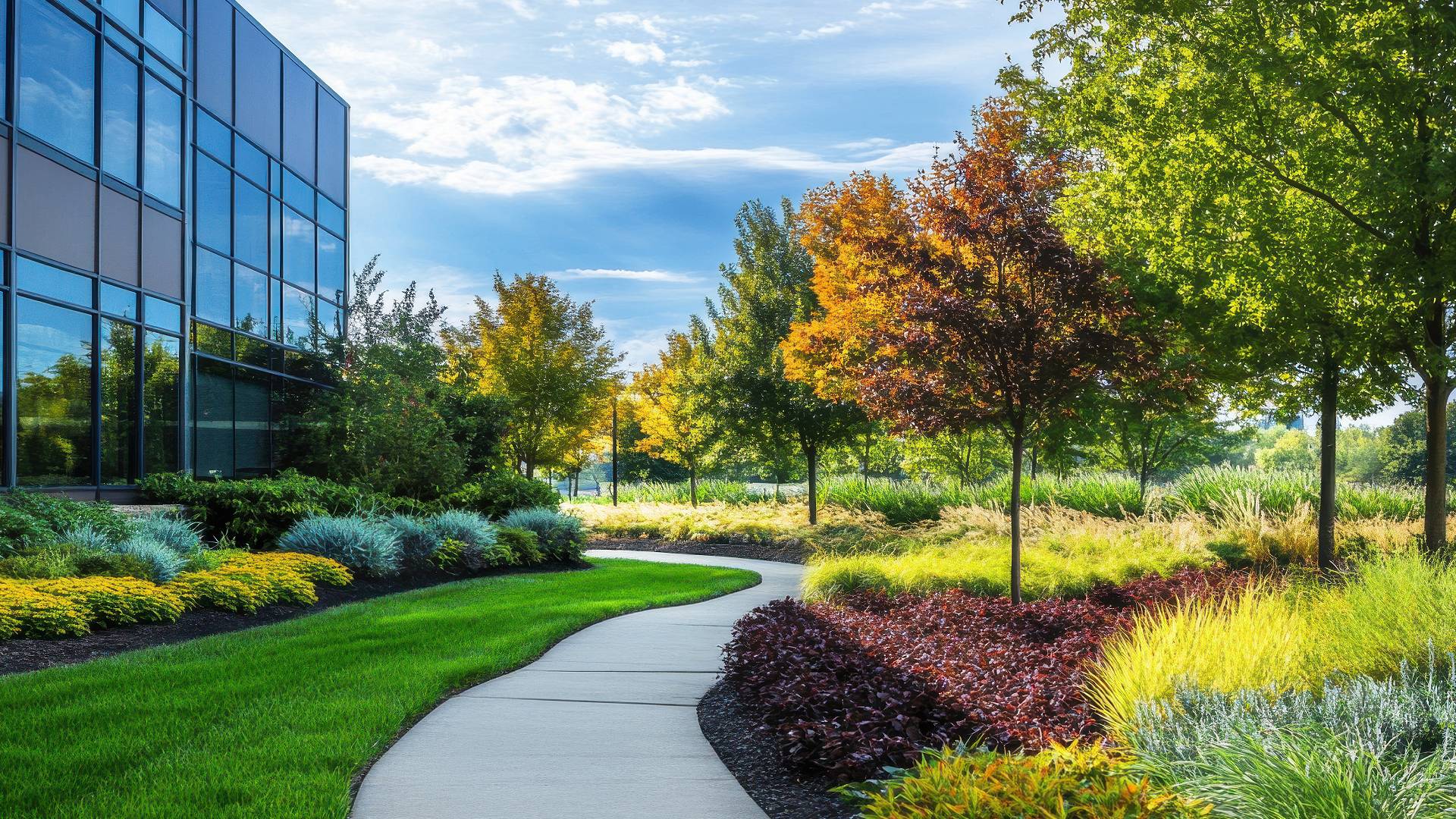
- Turf management creates the foundation for a professional appearance. Services include proper cutting, border definition, edge trimming, and health maintenance through nutrition and weed prevention. Quality turf immediately communicates professionalism and care.
- Vegetation care includes shrub trimming, tree maintenance, flower bed upkeep, and plant replacement when necessary. Regular pruning maintains plant health while preventing obstruction of signage, windows, or pedestrian areas.
- Pest and weed management protects your landscape investment. Unwanted plants steal resources from desirable vegetation. Professional pest control prevents insects and diseases from damaging valuable plantings.
- Water system oversight ensures optimal plant hydration without waste. Advanced irrigation technology reduces costs while maintaining green, healthy landscapes during dry conditions.
- Seasonal display programs offer a visual impact and demonstrate a commitment to quality. Fresh plantings and rotating displays create memorable first impressions that can influence customer decisions.
- Hard surface care encompasses walkway cleaning, stain removal, and the maintenance of walls and decorative structures. These elements complement your landscape and require consistent attention for optimal appearance.
- Tree maintenance encompasses pruning, dead branch removal, and health monitoring. Proper tree care prevents property damage while preserving the mature, valuable appearance that enhances commercial property value.
Strategic Seasonal Maintenance Planning
Successful property owners align maintenance activities with natural cycles. Each season presents unique opportunities and challenges that affect both immediate appearance and long-term property health.
Spring Activation (March – May)
Spring preparation lays the groundwork for success throughout the entire growing season. Begin with a thorough cleanup to address winter damage and prepare for vigorous growth.
- Early spring priorities include dead material removal, dormant plant pruning, and preventive weed treatment application. Proper timing stops unwanted plants from establishing when soil temperatures rise.
- Mid-spring focus centers on plant nutrition and pest prevention programs. Adequate feeding helps vegetation resist diseases and recover rapidly from any winter stress.
- Late spring completion involves mulch renewal, irrigation activation, and the installation of summer flowers for continuous color.
Summer Management (June – August)
Summer care emphasizes plant health during heat stress while controlling rapid growth periods.
- Irrigation oversight becomes essential during hot weather. Deep, less frequent watering fosters strong root systems, whereas shallow, frequent watering yields weak, drought-sensitive plants.
- Growth management through consistent cutting and trimming prevents overgrowth while maintaining clean, professional boundaries.
- Pest surveillance intensifies during warm periods when insects and diseases are most problematic. Early intervention prevents minor issues from becoming significant damage.
Fall Transition (September – November)
Fall maintenance prepares properties for winter while sustaining appeal during pleasant weather periods.
- Leaf control maintains safe walkways and prevents grass damage from thick leaf accumulation. Regular removal preserves professional standards.
- Winter readiness encompasses the protection of sensitive plants, winterizing irrigation systems, and applying root-strengthening fertilizers.
- Assessment activities involve evaluating successful practices from the growing season and planning next year’s improvements.
Winter Protection (December – February)
Winter care focuses on property protection and future planning while maintaining basic appearance standards.
- Storm response removes debris and prevents damage to healthy vegetation. Quick action after weather events demonstrates professionalism and reduces liability concerns.
- Design and planning occur during quieter periods. This timing enables planning for improvement, budget development, and scheduling of major projects.
- Equipment preparation ensures tools and systems are ready when the active season returns.
Comprehensive Maintenance Task Lists
Effective maintenance requires systematic attention to details. These organized lists help ensure complete coverage.
Weekly Service Requirements
- Turf care includes cutting to the appropriate height, edging all pathways and beds, and removing clippings from paved surfaces.
- Bed upkeep involves removing weeds, maintaining flowers, and monitoring the irrigation system to ensure proper function.
- Property cleanup includes trash collection, debris clearing, and basic safety evaluations.
- Quality assurance ensures all work meets standards and addresses any developing concerns promptly.
Monthly Service Activities
- Plant health evaluation involves checking for pest issues, disease indicators, and nutritional needs.
- Irrigation assessment includes coverage verification, seasonal timer adjustments, and damage repair.
- Hard surface maintenance covers pressure cleaning, stain treatment, and minor repairs to walkways or structural walls.
- Equipment evaluation ensures all tools operate properly and safely.
Seasonal Service Needs
- Spring activation includes system startup, comprehensive cleanup, and growing season preparation.
- Summer modifications involve irrigation increases, heat stress management, and seasonal color maintenance.
- Fall transition includes system winterization, leaf management, and dormant season preparation.
- Winter safeguarding covers sensitive plant protection and next year’s improvement planning.
Professional Contractor Partnerships
The right landscaping contractor becomes a valuable partner in protecting your investment. Choose companies that understand commercial properties face different challenges from residential spaces.
- Industry experience matters when selecting contractors. Commercial properties require specialized knowledge about high-traffic situations, liability considerations, and business-focused outcomes.
- Communication protocols should provide regular updates, rapid problem response, and clear work documentation.
- Insurance and credentials protect you from liability while ensuring you work with legitimate professionals.
- Similar property references provide insight into how contractors handle properties like yours.
Start Your Property Transformation Today
Strategic commercial maintenance protects your investment while attracting premium tenants and customers. The right approach combines consistent care with seasonal planning to maximize your budget and property performance.
Don’t wait for costly problems to develop. Start planning your maintenance strategy now and transform your property into a business asset that works for you.
Ready to get started? Contact LIMAR Landscape Management at (845) 905-5279 or [email protected] to discuss how professional maintenance can boost your property value and curb appeal. We specialize in commercial properties and know what it takes to maximize your investment returns.